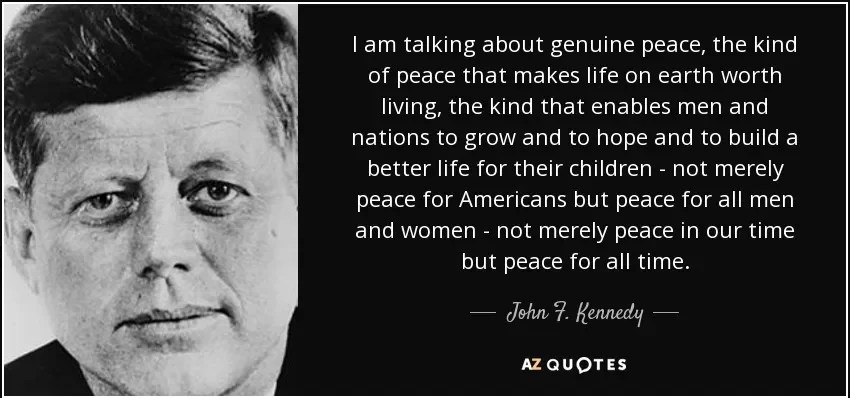
Today is January 1, 2026, the beginning of a new year, and the possibility of any number of good things happening. After all, we just finished the season of wishing others a “Merry Christmas”, which connotes peace and good will toward others in a spirit of love, even toward our enemies. Or maybe, just not hating our enemies quite as much as we normally do.
Or perhaps, even more likely, since Christmas is over for another year and we can put those warm, fuzzy feelings behind us, the next year will be one of Hell breaking out on Planet Earth. There is ample evidence for this extrapolation.
- The Ukraine/Russian war which is threatening to engulf all of Europe.
- The ongoing Israeli massacre of the Palestinians in Gaza and the destruction of the Middle East.
- The next chapter of the Israeli/Iranian war, which might destroy the Middle East.
- The potential of the US attacking Venezuela in an effort to force a regime change, so that “we” can get “our” oil back.
- The strong suspicion that China is about to assault Taiwan.
- The rise of BRICS in opposition to the “international rule of law” as interpreted by the West.
- Financial turmoil on a scale never seen before and the recent nearly vertical rise in the price of gold and silver.
- The increasing belief that the Day of the Dollar is just about over and that a new system, the Great Reset is imminent.
- CBDC’s, digital surveillance, and social conditioning are about to destroy any residual semblance of privacy and freedom, all with the assistance of AI controlled data centers which are going to suck up every last available bit of electricity and fresh water.
- COVID. Climate change. The whole Woke monstrosity.
- Etc., etc., etc.,…
Oh, yes, there is good reason to believe that 2026 will not be all sugar, spice, and an extended vacation in a tropical paradise. Why, it’s almost enough to make me want to go to bed, cover my head with a pillow, and never come out again. And yet, and yet…
“In the world, you will have tribulation; but be of good cheer, I have overcome the world.” — John 16:33
For those who have put their hope and faith in Jesus Christ, the Word, and His word, the troubles we face here can be met with courage and fearlessness because we understand that He is watching over His creation, His Church, with the ultimate intention being that it will reflect all the glory which is God’s alone. No matter what happens to us, it is done with His permission and/or blessing. There is nothing which can touch us unless He allows it and even the “bad things” are meant to steer us toward greater humility and trust.
There are only three ways we can respond to the troubles around us:
- Returning evil for evil as the world does. An eye for an eye and a tooth for a tooth. What’s in it for me. I’m looking out for #1. Kill them all, let God sort them out. Money, money, money. He who dies with the most toys, wins. Eat, drink, and be merry, because tomorrow we die.
- Self-control. Love your neighbor as you love yourself, including your enemies. Do good to those who hate you. Do not retaliate, but forgive. Seek peace with all. Beat your swords into plowshares. Make a positive difference in your own world because you believe in the future.
- Disengage. Distance yourself completely from society. See no evil, hear no evil, speak no evil, but especially do nothing to restrain evil. In essence, admit defeat and commit suicide. Because it’s hopeless.
In his book, Man’s Search for Meaning, Viktor Frankl wrote these timeless words.
“Everything can be taken from a man but one thing: the last of the human freedoms–to choose one’s attitude in any given set of circumstances, to choose one’s own way…The way in which a man accepts his fate and all the suffering it entails, the way in which he takes up his cross, gives him ample opportunity–even under the most difficult circumstances–to add a deeper meaning to his life. It may remain brave, dignified, and unselfish. Or in the bitter fight for self-preservation he may forget his human dignity and become no more than an animal. Here lies the chance for a man either to make use of or to forgo the opportunities of attaining the moral values that a difficult situation may afford him. And this decides whether he is worthy of his sufferings or not.”
In everything we experience this next year, we have a choice. Go through it as a willing ambassador of Christ, knowing we are His, or go through it as an animal, forgetting or refusing to admit that we are made in His Image.
“For God has not given us a spirit of fear, but of power and of love and of a sound mind. Therefore, do not be ashamed of the testimony of our Lord…” — 2 Timothy 1:7-8a
As Christians, we have the power and ability to influence our world for the better. We ought not squander the opportunity. Be blessed as you go out and have a Happy New Year in His Name.
 Poor Roger's Almanac